The IRS's Digital Payment Revolution: What the New Direct Deposit Relief Means for You
The End of the Paper Check Is Here. What Comes Next Is What Truly Matters.
Let’s be honest for a moment. In 2025, the idea of the U.S. government mailing out millions of paper checks feels like watching a blacksmith try to repair a smartphone. It’s an artifact from a bygone era, a piece of analog machinery chugging along in a world that’s moved on to fiber optics and instant transfers. So when I heard about Executive Order 14247—the directive pushing the IRS to finally, finally phase out paper checks for tax refunds—my first thought was, “It’s about time.”
For years, we’ve known that paper processing is the IRS’s kryptonite. It’s slow, it’s expensive, and it’s shockingly vulnerable. Think about it: a paper check is 16 times more likely to be lost, stolen, or fraudulently altered than a digital payment. That’s not just an inconvenience; for the person waiting on that money, it’s a potential disaster that can take months of bureaucratic agony to resolve. This move to an all-digital system isn't just a minor upgrade; it's a fundamental paradigm shift away from a system that was bleeding efficiency and trust—it’s the kind of massive, overdue infrastructure project that promises a faster, safer, and more streamlined government, and that’s something to get genuinely excited about.
We’re talking about a leap forward that 94% of Americans have already made voluntarily. They want their refunds fast, and direct deposit is the obvious answer. But this is where the story gets interesting. Because progress isn’t measured by how well a system serves the majority. It’s measured by how it treats the most vulnerable. And as we stand on the cusp of this digital transformation, we’re faced with a profound question: can we build a system that is both ruthlessly efficient and radically compassionate?
The Human Glitch in the Digital Machine
This is the kind of design challenge that reminds me why I got into this field in the first place. The technology for digital payments is solved. It’s easy. The hard part—the important part—is designing for the exceptions. We're talking about the roughly 10 million people who, for very real and often heartbreaking reasons, are still receiving that paper envelope in the mail.
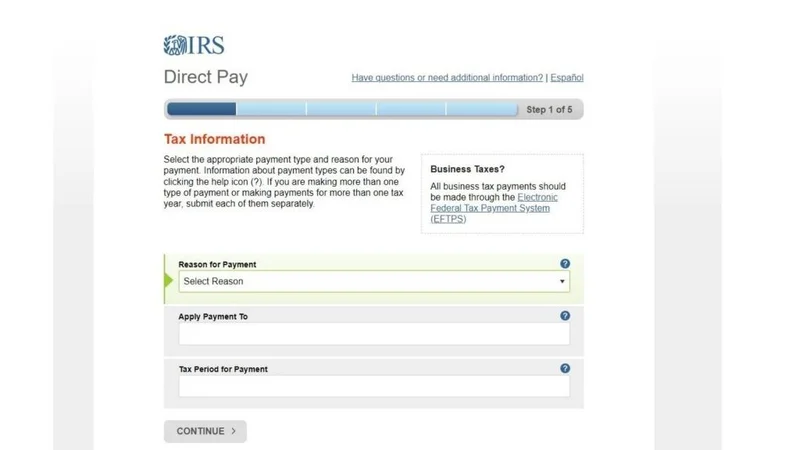
Executive Order 14247, signed by President Trump back in March, mandates the switch for 2025 tax returns filed next year. If you don't provide bank details, the IRS will send a letter, and if you don't respond, they'll hold your refund for six weeks before mailing a check. That six-week delay might sound like a bureaucratic footnote, but for a family struggling to pay rent or put food on the table, it’s a lifetime. This isn't a bug in the system; it's a potential crisis point.
Let’s get specific. Who are we talking about? We’re talking about the 5.6 million American households that are “unbanked.” They don’t have a checking or savings account, not out of preference, but often due to poverty, lack of access, or mistrust in financial institutions. For them, direct deposit isn’t an option. It’s a locked door. What about Americans living abroad, wrestling with foreign banks that can’t or won’t process IRS transfers? Or religious communities like some Amish and Mennonite sects, whose deeply held beliefs preclude them from using electronic banking?
And then there are the people for whom a shared digital footprint is a direct threat to their safety. Imagine being a victim of domestic violence, where an abuser monitors your bank account. A direct deposit isn't a convenience; it's a flare, potentially revealing your location or financial independence and inviting further harm. For these individuals, the anonymity of a paper check is a shield. How do we build a digital fortress that offers the same protection?
This transition is like upgrading a city’s entire water system from old lead pipes to a modern, efficient network. It’s a fantastic goal. But if you don’t build accessible public fountains for those who can’t afford to connect their homes, you haven’t modernized the city—you’ve just created a new kind of drought for its most vulnerable citizens. The exceptions aren't edge cases to be patched later. They are the core of the ethical design challenge.
The IRS and Treasury have been given the authority to create these exceptions, and this is where the real innovation must happen. We're already seeing incredible ideas from groups like the American Bar Association and the Taxpayer Advocate Service, which has stressed that As the IRS Phases Out Paper Checks, Vulnerable Taxpayers Must Not Be Left Behind. They’re talking about qualified waivers for the unbanked, secure Treasury-issued debit cards, and expanding access to no-fee bank accounts. This isn’t just about finding workarounds; it’s an opportunity to build new financial on-ramps for people who have been left on the shoulder of the digital highway for far too long.
It also means the IRS’s communication has to be flawless, especially in an era of rampant misinformation. We're already seeing fake news about $1390 IRS Relief Payments Coming in October? Here’s the Truth About the New Stimulus Payment spreading like wildfire on social media, creating confusion and false hope. If the IRS can’t clearly and compassionately explain this very real change, it risks creating panic and distrust at the worst possible moment. Will they rise to that challenge?
Technology with a Conscience
Ultimately, this isn’t a story about the IRS getting rid of paper. It’s a test. It’s a nationwide, real-time experiment in whether we can infuse our technological ambitions with genuine humanity. Moving to direct deposit is the right call—it’s faster, safer, and more secure. But the success of this initiative won’t be defined by the number of checks it eliminates. It will be defined by the care, creativity, and compassion we show to the millions of people for whom the old way was the only way. This is our chance to prove that progress doesn't have to leave anyone behind. It’s our chance to build a digital government with a soul.