Gold's Insane Price Spike: Why It's Happening and Why You Should Be Worried
So, we’re supposed to be celebrating. Gold price reaches $4,000 an ounce for the first time ever. The headlines are screaming, the Wall Street guys are popping champagne, and every other ad on the internet is suddenly for a company that wants to sell you a sliver of a shiny rock.
Am I the only one who thinks this is completely insane?
This isn't a victory lap for the economy. This is a fire alarm. It’s a giant, glittering middle finger to the entire financial system we’re all forced to live in. And the fact that the "experts" are cheering it on should tell you everything you need to know.
The Gospel According to Goldman
Let’s get this straight. The same people who package up garbage mortgages and sell them as genius investments are now telling us to get hyped about gold. Goldman Sachs raises its gold price target to $4,900 by end-2026 By Investing.com. Some other guy, Ed Yardeni, is screaming about $10,000 by 2030.
They use these calm, reassuring words like "durable demand" and "structural diversification." Let me translate that from PR-speak into English: Central banks, the ones who print money like it’s toilet paper, are now in a flat-out panic, scrambling to trade their own worthless paper for something tangible. They’re buying gold by the ton because they know the house of cards is wobbling. This is a bad sign. No, "bad" doesn't cover it—this is a five-alarm dumpster fire.
Why on earth would we see this as a positive? Are we supposed to be comforted that the architects of our financial instability are now quietly hedging their bets and stocking up on the world's oldest panic button? It's like watching the captain of the Titanic lower a private lifeboat for himself while telling the passengers to enjoy the music.
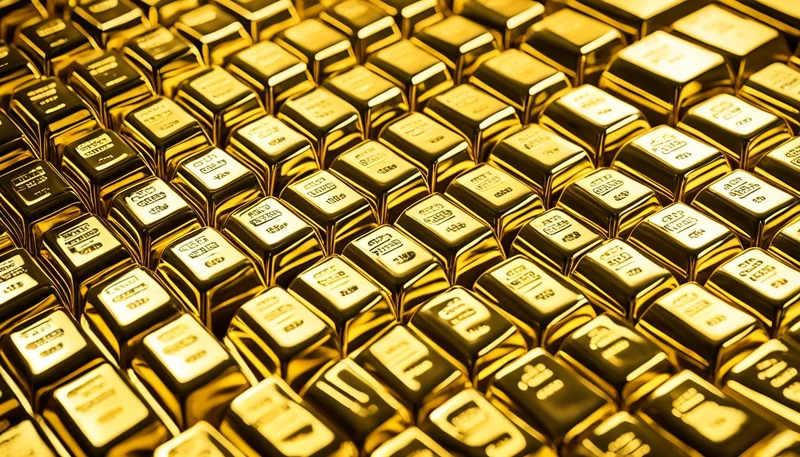
The whole thing feels like the crypto boom all over again, just with a much older asset. It's a stampede driven by FOMO and fear, orchestrated by the same institutions that will inevitably find a way to screw the little guy when it all comes crashing down. They’re building a new narrative, a new gospel of gold, and they expect us to believe it’s for our own good. Give me a break.
A Fever Dream in a Sick Economy
So what's driving this fever? The reports point to "political uncertainty" in the US, Japan, and France. They talk about a weaker dollar and the potential for more inflation. It's a perfect storm of incompetence and instability. Gold isn't getting stronger; our entire system is just getting weaker. Its price is a measure of our collective loss of faith.
The whole thing is a giant casino, and the house offcourse always wins. I was watching cable news the other day—a mistake, I know—and it was just one segment after another about gold. It’s become the new reverse mortgage, a product sold almost exclusively through fear. They flash these scary charts about the national debt and then pivot to a smiling man holding a gold coin. The subtext is clear: the world is ending, but for just three easy payments, you too can own a piece of the apocalypse.
And you're supposed to trust these forecasts from the same people who... well, you know. The ones who never see a crash coming until it’s already wiped out your 401(k).
I’ll admit, there's a part of my brain, the lizard part, that gets the appeal. You see the price going up 48% in a year and think, maybe I'm the idiot for sitting on the sidelines with my rapidly devaluing cash. Then again, being the last one to join a pyramid scheme doesn't make you a winner. It just makes you the biggest sucker. This whole rally ain't a sign of health; it's a symptom of a deep, systemic sickness. And I have to ask, what happens when the fever breaks?
So We're Back to Hoarding Rocks?
Look, this isn't an investment story. It’s a story about fear. The price of gold hitting $4,000 isn't a number on a chart; it's a global vote of no confidence. It's people, institutions, and entire countries screaming that they no longer trust the money, the governments, or the future they’ve been sold. We’re celebrating a return to a pre-civilization asset because we’ve lost faith in everything we’ve built. That’s not bullish. That’s terrifying.