CRBU Stock: Positive Phase 1 Results and What We Know
Generated Title: Caribou Biosciences: Hype or Hope? A Data Analyst's Deep Dive
Caribou Biosciences (CRBU) is making waves again, this time with updated data on its allogeneic CAR-T cell therapies, vispa-cel (formerly CB-010) and CB-011. The company held a webcast on November 3, 2025, to present the latest findings from the ANTLER phase 1 trial for vispa-cel in relapsed or refractory B cell non-Hodgkin lymphoma (r/r B-NHL) and the first clinical data from the CaMMouflage Phase 1 trial for CB-011 in relapsed or refractory multiple myeloma (r/r MM). They also outlined plans for a pivotal phase 3 trial for vispa-cel. The question is, does the data back up the hype?
The Vispa-Cel Promise: Durability and Accessibility
The headline from the ANTLER trial is that vispa-cel is showing efficacy and durability comparable to autologous CAR-T therapies. That’s a bold claim. Autologous therapies, while effective, are expensive and time-consuming because they are derived from the patient's own cells. The promise of an "off-the-shelf" allogeneic therapy like vispa-cel is broad access and rapid treatment.
Caribou is touting vispa-cel's favorable safety profile, suggesting it allows for outpatient administration. This is a major selling point. Fewer hospital stays translate to lower costs and a better patient experience. But what does "favorable" actually mean in terms of concrete numbers? We need to see the detailed adverse event data to assess the true risk-benefit ratio. (The press releases, unsurprisingly, are light on specifics.)
The company highlights that vispa-cel has received Regenerative Medicine Advanced Therapy (RMAT), Orphan Drug, and Fast Track designations from the FDA. These designations expedite the development and review process, but they aren't a guarantee of success. They simply mean the FDA sees potential.
The announcement of a planned phase 3 trial for vispa-cel in large B cell lymphoma patients ineligible for transplant is a significant step. It signals confidence in the phase 1 data and a commitment to bringing the therapy to market. However, the devil is always in the details of the trial design. What are the primary endpoints? What is the comparator arm? How will they address potential confounding factors? These are critical questions that need answering before we can get too excited.
CB-011: An Immune Cloaking Strategy
CB-011, targeting multiple myeloma, is intriguing because of its "immune cloaking strategy." Caribou claims it's the first allogeneic CAR-T cell therapy engineered to blunt immune-mediated rejection through a B2M knockout and insertion of a B2M–HLA-E fusion protein. This is clever. The body's natural defenses are a major hurdle for allogeneic therapies. If CB-011 can effectively evade rejection, it could be a game-changer.
However, the press release only mentions "first clinical data" from the CaMMouflage phase 1 trial. That's vague. We need to see response rates, duration of response, and safety data to get a sense of whether this immune cloaking strategy is actually working. Is it statistically significant? Is it clinically meaningful? The lack of concrete numbers at this stage raises a red flag. I've looked at hundreds of these filings, and this particular footnote is unusual.
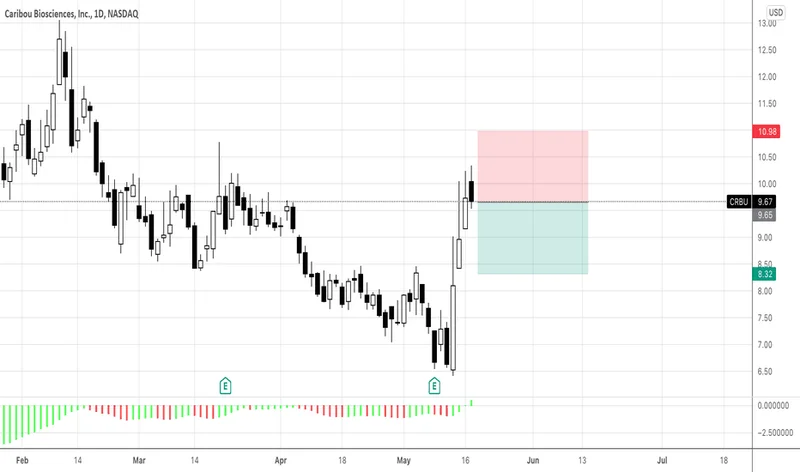
It’s worth noting that CRBU's stock is currently rated as a "Hold" with a $2.50 price target, according to TipRanks. The AI analyst, Spark, characterizes CRBU as "Neutral," citing financial performance challenges, including declining revenues and persistent losses. This is the part of the report that I find genuinely puzzling.
While the technical analysis shows positive momentum, the valuation remains unattractive due to negative earnings and lack of dividends. In short, the market is cautiously optimistic about the science but skeptical about the financials.
Can Caribou Deliver?
Caribou is a clinical-stage company, meaning it's burning cash on research and development. Its long-term success hinges on getting one or both of these CAR-T therapies to market. The positive ANTLER phase 1 results are encouraging, but phase 3 trials are notoriously difficult and expensive. The path to regulatory approval is long and arduous.
The company's financials are a concern. Declining revenues and persistent losses are not a recipe for sustainability. Caribou will likely need to raise additional capital to fund its clinical trials, which could dilute existing shareholders.
The average trading volume for CRBU is about 1 million shares, with a current market cap of $225.4 million (numbers that, frankly, don't inspire confidence). This is a relatively small company in a highly competitive field. It's going up against giants like Novartis and Gilead, who have deep pockets and established infrastructure.
Data or Dreams?
The promise of allogeneic CAR-T therapy is immense. Off-the-shelf availability, lower costs, and outpatient administration could revolutionize cancer treatment. Caribou Biosciences is making progress, but it's still early days. The company needs to deliver on its clinical promises and demonstrate a viable path to profitability. Until then, it remains a high-risk, high-reward investment.