The Costco Stock Cult: Why Cramer's Hype Doesn't Add Up
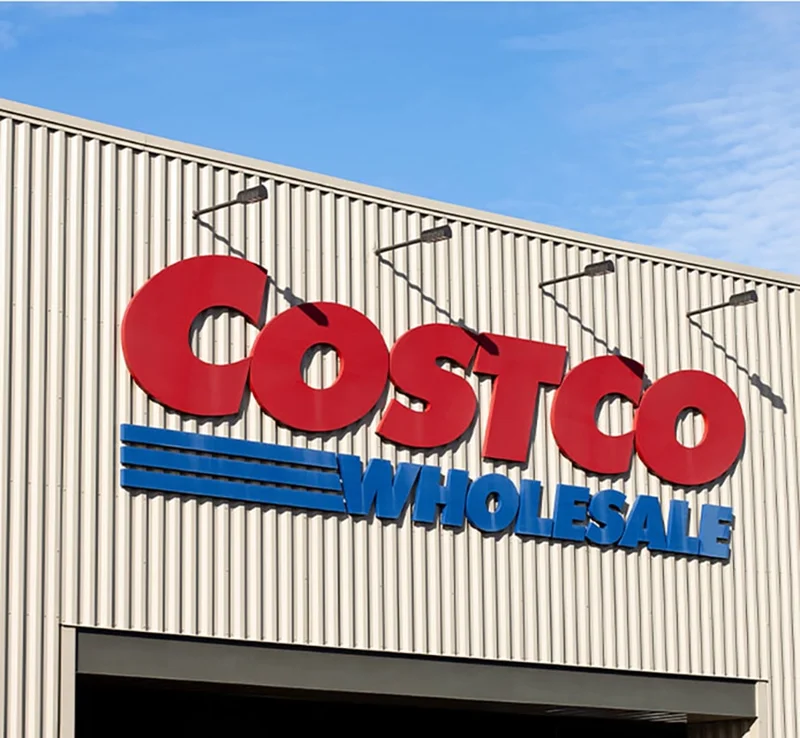
Let’s get one thing straight. When a corporation like Costco tells you they’re raising their membership fee to “test the loyalty of consumers,” what they’re really saying is, “We’re pretty sure you’re addicted, and we’re going to charge you for the fix.”
It’s the most beautifully cynical piece of corporate PR-speak I’ve seen all year. They didn’t do it out of some academic curiosity about consumer psychology. They did it because they ran the numbers and bet, correctly, that millions of us are so hooked on the siren song of the $1.50 hot dog and the 48-pack of toilet paper that we’d grumble, hand over the extra five or ten bucks, and keep coming back for more.
And boy, were they right.
The gamble—if you can even call something so calculated a gamble—paid off spectacularly. A 92% renewal rate. Let that sink in. In an age where people cancel Netflix subscriptions if a single season of their favorite show is a dud, 92% of Costco members effectively said, “Yes, please, I’d like to continue paying for the privilege of entering your giant concrete box to spend even more of my money.” It’s brilliant. It’s predatory. And it worked.
This isn’t just a price hike. No, that’s not right—it’s a subscription fee for a religion. The church of Kirkland Signature. You pay your tithe at the door for the promise of salvation in the form of a pallet of sports drinks and a vat of mixed nuts. I can almost hear the hum of the fluorescent lights and the squeak of a thousand cart wheels on polished concrete, a sacred hymn for the modern American shopper.
So Who's Drinking the Kool-Aid?
Here’s the part that really gets me. The narrative should be that Costco is for suburban parents stocking up for their three-kid household. But the data tells a different story. According to one analyst, nearly half of the new sign-ups are people under 40.
Millennials and Gen Z, the very generations supposedly defined by their demand for convenience, digital-first experiences, and a rejection of boomer materialism, are flocking to a store that requires a paid membership, a car, and several hours of their weekend just to buy a jar of pickles the size of a fire hydrant.
What does that even mean? Are they just so beaten down by inflation that the prospect of saving twelve cents per ounce on olive oil feels like a revolutionary act of financial rebellion? Or is this some kind of ironic performance art? I genuinely don't know. The company itself seems a little nervous about it, with management admitting these younger, digital-native members have "modestly higher churn rates." They're banking on generational inertia, that these new members will just... stick around. But the internet has trained them to cancel subscriptions at the drop of a hat, and Costco seems to think its rotisserie chickens are immune.
It’s the subscription creep we all complain about, just manifested in the physical world. My streaming services, my software, my music, and now, my grocery store. Everything demands its pound of flesh before you even get to the product. It ain't sustainable, but here we are.
Then again, maybe I’m the crazy one here. Maybe owning a 10-pound bag of quinoa is the new American dream.
The Elephant in the Aisle
While Costco is busy patting itself on the back for successfully squeezing its devotees, the real beast of retail, Walmart, is playing a completely different game. Looking at the past year, Walmart’s stock is up 25% while Costco’s has barely budged with a 4.4% gain.
Walmart or Costco: Which Retail Powerhouse Looks Stronger Today? Because Walmart, for all its faults, understands the 21st century. Costco is a walled garden; a very successful, very profitable walled garden, but a walled garden nonetheless. Its business model is like a classic rock band that still sells out stadiums playing the same three albums from 1978. The fans love it, but the sound hasn't changed.
Walmart, offcourse, is a soulless machine, but it’s an adaptable one. It’s turning its thousands of stores into a massive logistics and fulfillment network to compete with Amazon. It’s building a high-margin digital advertising business. It’s pushing its own membership, Walmart+, with perks that actually exist in the digital world. It's investing in AI and automation.
Costco’s big innovation for the year was making us pay more to get in the door.
It’s a fascinating contrast. Costco sells a curated experience of value, an illusion of exclusivity that makes you feel smart for being part of the club. Walmart is just pure, brute-force capitalism. It wants every dollar, from every person, through every possible channel—in-store, online, via ads, via third-party sellers. One feels like a destination; the other feels like an inevitability. I’m not sure which is scarier, but I know which one looks more like the future.
They Played Us, and They Won
At the end of the day, Costco’s victory here isn't a testament to its brilliant business strategy. It’s a damning indictment of our economic reality. They didn't test our "loyalty." They leveraged our anxiety. We’re so desperate for any feeling of financial control, for any perceived deal, that we’ll literally pay an entrance fee to access it. They monetized our desperation, wrapped it in a free food sample, and sold it back to us for $65 a year. And it’s working. For now.